UAE to leave OPEC and OPEC+ in major reset of Gulf oil strategy
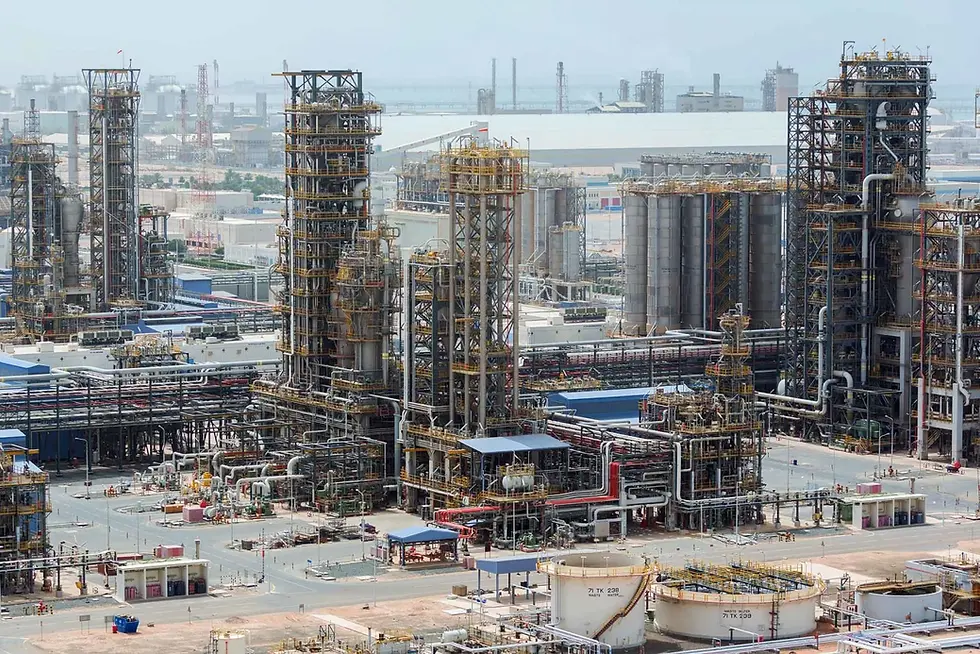
The United Arab Emirates will withdraw from OPEC and OPEC+ effective May 1, 2026, in one of the most significant shifts in Gulf energy policy in recent years and a move that could weaken the cohesion of the producer alliance led by Saudi Arabia. The decision was announced through state media and framed as part of the UAE’s long-term strategic and economic vision, including faster investment in domestic energy production.
UAE Energy Minister Suhail Al Mazrouei said the exit reflects a “policy-driven evolution” aligned with long-term market fundamentals, while maintaining the country’s commitment to energy security and stable global markets. The announcement also confirmed that Abu Dhabi is leaving not only OPEC, but also OPEC+, the wider producer framework that includes Russia.
For oil markets, the significance lies less in immediate barrels and more in what the decision says about the future of producer coordination. The UAE has long pushed for higher production quotas as it expanded capacity and sought more flexibility than the cartel’s system allowed. Its departure removes one of OPEC’s most important Gulf producers at a time when the group is already under pressure from geopolitical instability and shifting national energy strategies.
The move is widely seen as a blow to OPEC and especially to Saudi Arabia, the cartel’s leading member. OPEC collectively accounts for around 36% of global oil production and controls close to 80% of proven oil reserves, while the UAE itself is among the world’s ten largest producers and accounts for roughly 3% to 4% of global oil supply.
Abu Dhabi’s friction with OPEC has not been new. The UAE has invested heavily in expanding production capacity and repeatedly sought quotas that better reflected that capacity. Leaving the group gives it more room to pursue output policy in line with national priorities rather than collective ceilings negotiated with fellow exporters.
OPEC was founded in 1960 by Saudi Arabia, Iran, Iraq, Venezuela and Kuwait, and the UAE joined in 1967. Its exit would mark one of the most important departures from the group in recent years and further fuel debate over whether national production ambitions are becoming harder to reconcile with bloc discipline.
For investors and energy markets, the broader message is clear: the UAE is opting for greater national production autonomy at a moment when centralized producer coordination is becoming more difficult to sustain. Whether that leads to a deeper reshaping of oil market governance will depend on how OPEC responds and how aggressively Abu Dhabi uses its new freedom outside the alliance.


